
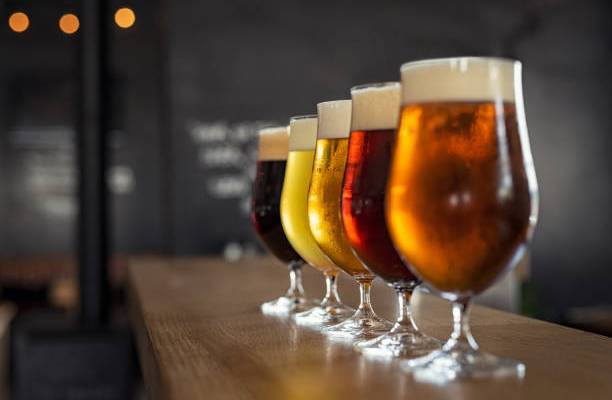
Craft beer has become a popular trend in recent years, capturing the hearts of beer enthusiasts and casual drinkers alike. But what exactly is craft beer and how did it come to be?
Craft beer refers to beer that is made by small, independent, and traditional breweries. It is made using traditional brewing methods, without any mass production or preservatives. The focus is on quality and flavor, with a range of unique and innovative ingredients used to create a wide variety of styles and taste profiles.
The craft beer movement began in the United States in the late 1970s and early 1980s, as a response to the domination of the beer market by a few large companies. A group of passionate and creative homebrewers sought to revive traditional brewing methods and create unique and flavorful beers. Their efforts paid off, and the craft beer scene has since exploded, with thousands of craft breweries opening across the country.
In recent years, craft beer has become increasingly popular in the UK, with the number of craft breweries growing rapidly. The UK is now home to some of the world’s leading craft breweries, such as BrewDog, Camden Town Brewery, and Beavertown Brewery. These breweries have become household names, known for their innovative beers, unique flavors, and commitment to quality.
The future of craft beer looks bright, with more and more consumers seeking out unique and flavorful beers. With the growing popularity of craft beer, it’s likely that we’ll see even more new and innovative brews in the years to come. Additionally, the trend towards sustainable and eco-friendly brewing practices is likely to continue, as consumers become more aware of the impact of their choices on the environment.
Craft beer has come a long way since its humble beginnings in the 1970s and 1980s. Today, it’s a thriving industry, with a range of unique and flavorful beers that are enjoyed by millions of people around the world. Whether you’re a beer enthusiast or simply looking for something different, craft beer is well worth trying.
 Hop & Dram, Craft Beer, Real Ale and Whisky Blog